What it means to be fully alive
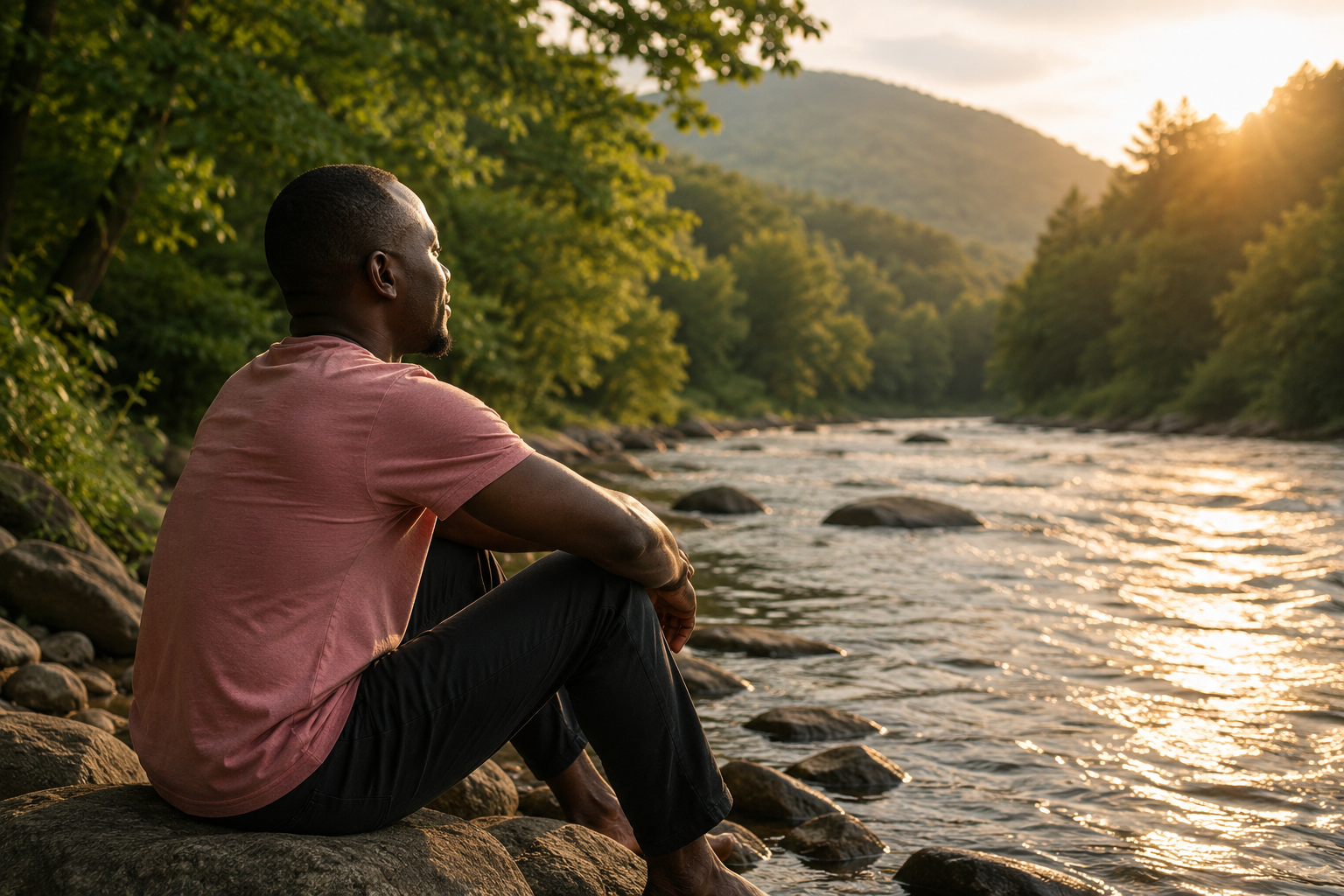
My highest commitment in life is to live one of full aliveness.
Before sharing what those words mean to me, I'd first like to reflect a bit on why they hold so much importance within my life.
In my forty years on this planet, I've had the privilege of experiencing many different chapters.
Some were incredibly exciting.
Others were exceptionally challenging.
I've traveled to nearly thirty countries around the world.
I've run marathons after once barely being able to complete a single mile.
I've had the opportunity to publicly speak to organizations valued over billions of dollars, publish over one hundred articles, live in multiple countries outside of the United States, and build a prosperous business rooted in supporting incredible human beings from all walks of life.
I've also buried both of my parents.
I've undergone multiple surgeries before I was 22 (two of which where I had a near death experience).
I've experienced burnout.
I've walked away from what was once my dream career.
I've had periods where life felt expansive and flowing, and other seasons where I questioned nearly everything.
When I look back on all of those experiences, what stands out most isn't the actual event itself.
It's how deeply I felt them.
It's the emotional blueprint they left behind.
It's the way they shaped me, stretched me, humbled me, cracked me open, and ultimately invited me into a deeper relationship with myself.
And that brings me back to aliveness.
To me, full aliveness is a state of deep engagement with the present moment.
Sounds simple enough, right?
Alright, let's close out today’s sharing session 😉
Jokes aside...
Being fully alive isn't about feeling happy all of the time.
It's not about having everything figured out.
It's not about avoiding discomfort, grief, uncertainty, fear, or pain.
It's about being willing to meet the present moment as it is.
To be fully present with what is true.
To laugh when laughter is present.
To cry when grief is present.
To celebrate when joy is present.
And to sit with discomfort when discomfort is present.
In my experience, many people (myself formerly included) unknowingly spend years trying to avoid certain parts of ourselves.
For me, fear was the main one.
I used to view fear as weakness.
I thought strong people didn't feel fear.
Or at the very least, they certainly didn't acknowledge it.
I felt pressure to always have it together.
To be composed.
To be confident.
To have the answers.
And because of that, fear became something I disconnected from.
What I've come to learn is that whatever emotions or parts of ourselves we deem "wrong" often become the exact places where we disconnect from our aliveness.
Not because those emotions disappear.
But because our resistance to them blocks access to something deeper that is trying to be felt.
Fear wasn't the problem.
My relationship to fear was.
The same can be true for sadness.
Anger.
Grief.
Shame.
Even joy.
The more I've learned to welcome all of my experience instead of judging it, the more alive I've felt.
Not because life became easier.
But because I became more available to it.
This has been one of the greatest gifts of slowing down.
Not slowing down for the sake of moving at a snail's pace.
But slowing down enough to hear what is actually true.
In a world that constantly encourages us to move faster, do more, consume more, and stay busy, I believe there is tremendous value in creating intentional space to reconnect with ourselves.
Because presence creates access.
Access to truth.
Access to clarity.
Access to purpose.
Access to wisdom.
Access to parts of ourselves that may have been patiently waiting for years to be acknowledged.
I see this all the time with the men I support.
Many men have spent their entire lives learning how to perform.
How to achieve.
How to push through.
How to keep moving.
Yet very few were ever taught how to truly be with themselves.
How to identify what they're feeling.
How to communicate it.
How to create space for it without immediately trying to fix it, suppress it, or escape from it.
For me, this is what being fully alive means.
It's not spiritual bypassing.
It's not pretending everything is positive.
It's not chasing happiness.
It's not becoming someone else.
It's becoming more fully yourself.
It's allowing yourself to experience the full spectrum of what it means to be human.
To love deeply.
To grieve deeply.
To create deeply.
To feel deeply.
To live deeply.
Because every emotion carries wisdom.
Every challenge carries an invitation.
And every season of life has something to teach us if we're willing to stay present long enough to receive it.
This path of aliveness has become one of the deepest commitments of my life.
It's shaped how I lead.
How I love.
How I serve.
How I relate to myself.
And perhaps more than anything, it's given meaning to many of the experiences that once felt confusing or difficult to understand.
For me, this is the game.
Not the pursuit of perfection.
Not the avoidance of discomfort.
But the continual practice of showing up fully for life.
Again and again and again.
With Love,
Brandon
P.S. — If you're open to reflecting, I'd love to hear your response to two questions:
1. What is one area of your life where you feel most alive right now?
2. What is one area where you feel less alive than you'd like to?
Sometimes simply putting words to what we're experiencing can create more space, awareness, and clarity.
🙏🏿💜